Cart (1)
Close

Subtotal: $10.00

Subtotal: $10.00

Subtotal: $10.00
$10.00
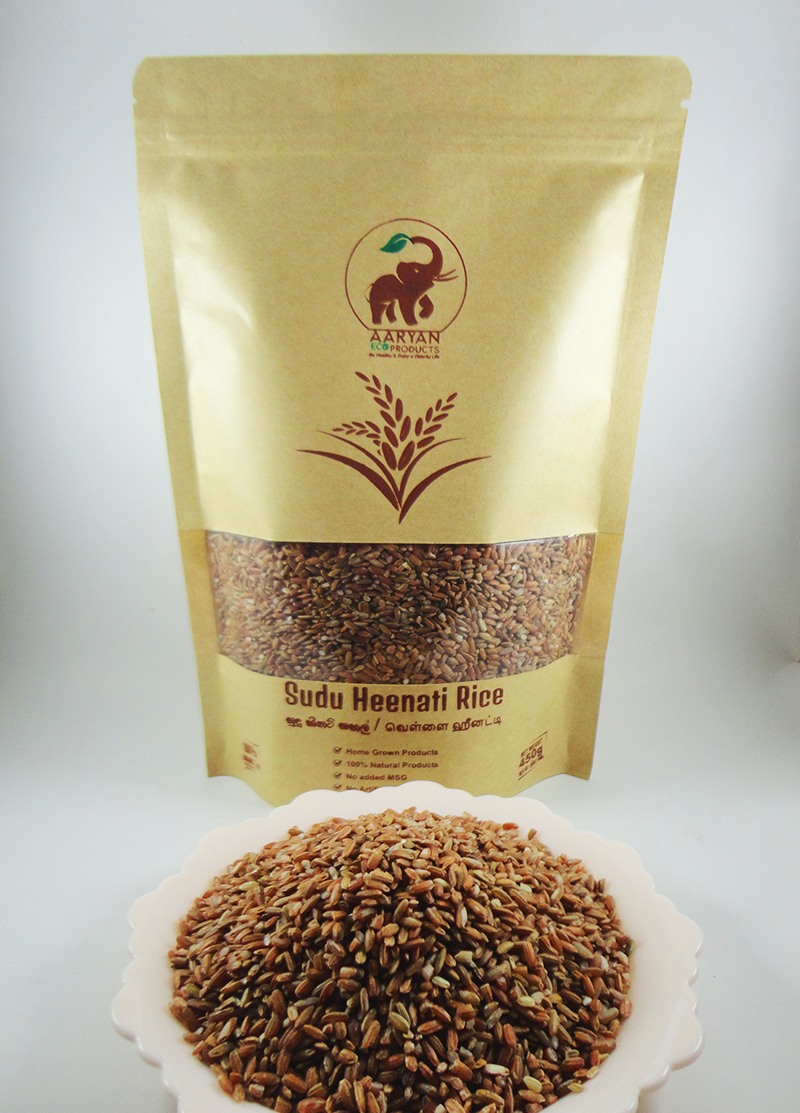
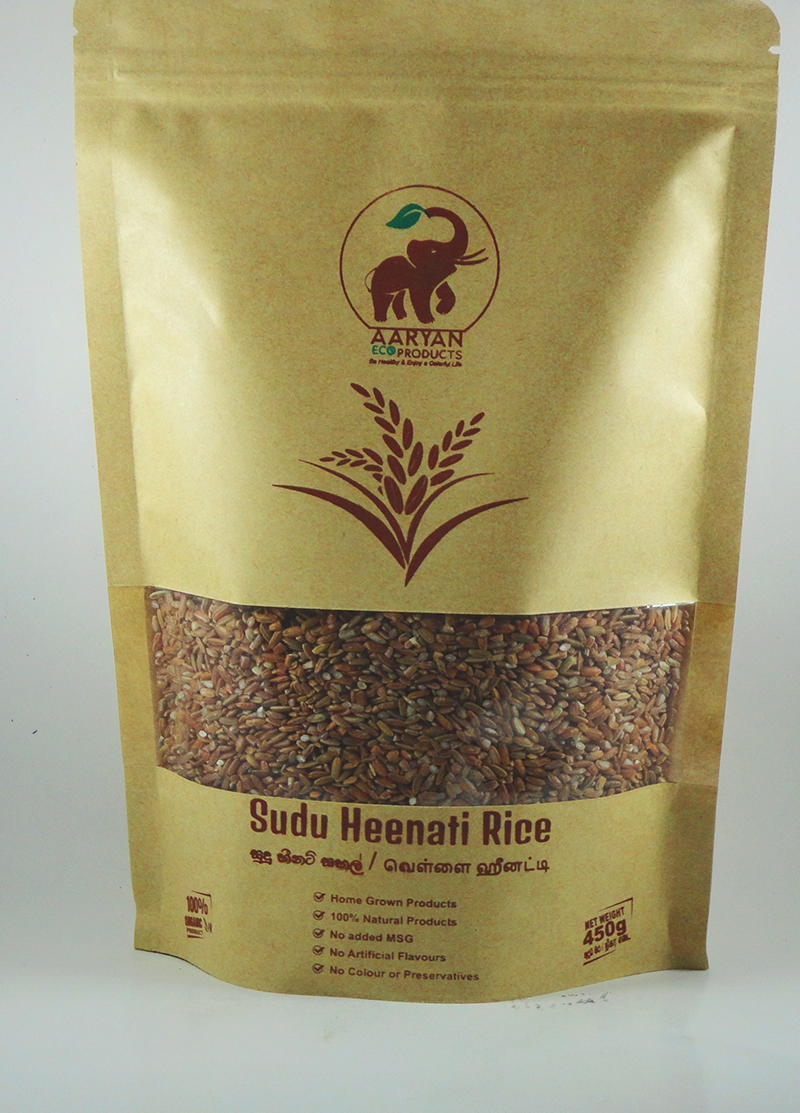
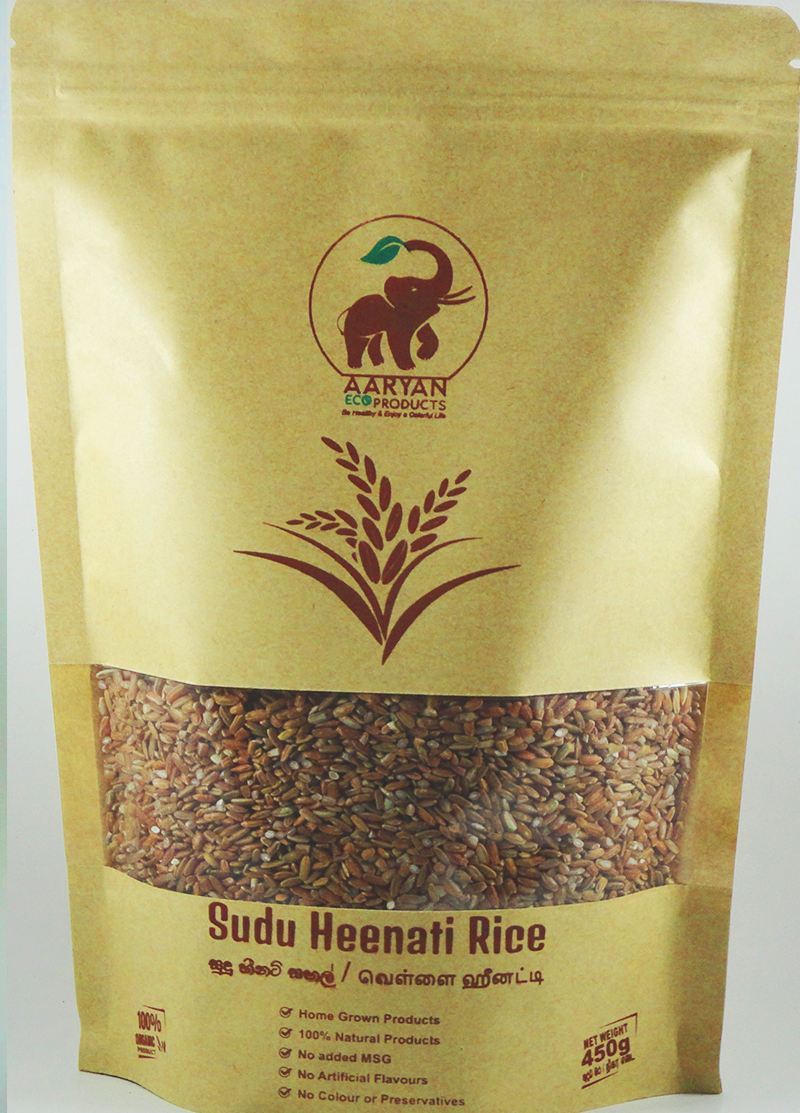
Natural 100% pure Ceylon traditional rice Suduheenati 450g pack from SriLankan paddy cultivations
| Condition | Fresh dried traditional Sri Lankan rice unused |
| Quantity | One pack |
| Status | natural dried pure & clean sealed 450 gm rice pack in brownish-red color |
| Food specification | Fairtrade, Caffeine Free, Dairy Free, Diabetic, Dye Free, Egg Free, Fat-Free, Gelatin Free, Gluten Free, Allergen-Free |
| Country/ Region of cultivation | Sri Lanka- traditional rice varieties are cultivated throughout the island without the use of any agricultural chemicals or pesticides. |
| Product | A pack of sealed dried natural rice—dark reddish-brown in color – is rich in nutrients and proteins, and is an excellent choice for your everyday meal. |
| Food Aisle | Pantry |
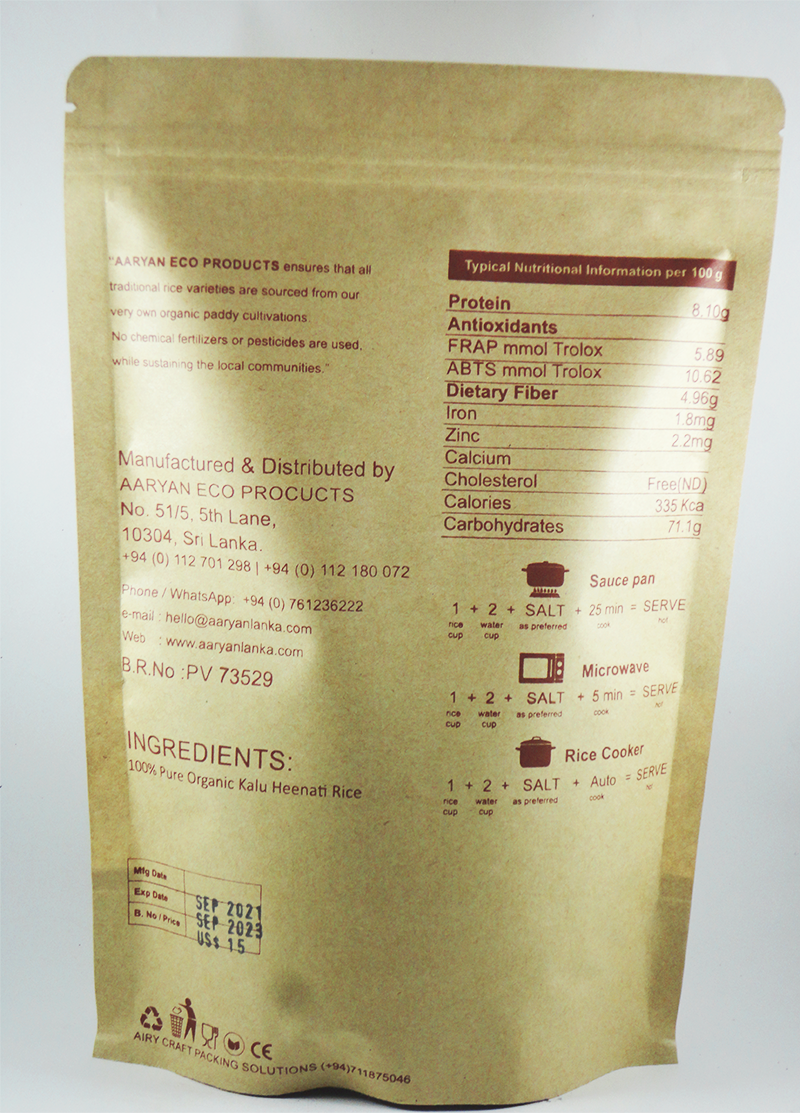
| Expiration Date | 02 years from the production date |
| packed country & location | Sri Lanka-Piliyandala |
| Shipping | FREE Economy Shipping from China/Hong Kong/Taiwan to Worldwide |
| Ship from | Sri Lanka |
| Ship to | Worldwide-Except for the countries that have restrictions, the buyer should check all the policies, taxes, customs duties, etc.. applicable to his/her country before placing an order and making payment. |
| Delivery | estimated within 12 -30 working days |
| Shipment | We ship the item within 3–4 working days after receiving cleared payment. |
| Payments methods | Visa, debit as indicated |
Description
Traditional rice varieties have been conserved, developed, and used by Sri Lankan farmers for over 3000 years. The varieties of rice passed down from preceding generations are known as ‘traditional,” ‘indigenous’, or “inheritance’ rice varieties of Sri Lanka. Once, renowned as the Granary of the East, Sri Lanka cultivates more than a thousand traditional rice varieties. These traditional paddy varieties have strong characteristics that help them survive climate change impacts such as droughts, heavy rains, and floods, compared to newer varieties used in chemical-intensive paddy cultivation. This vigor is based on certain characteristics unique to traditional paddy varieties.
Experts say that, in terms of nutritional content, texture, appearance, and aroma, and most importantly, in terms of taste, traditional rice, unlike any other rice, is much more resilient to Sri Lanka’s increasing extreme weather and can offer higher health benefits to its consumers.
It does not need chemical fertilizer, as the technology harnesses the natural forces to their maximum potential by using natural sources of fertilizer such as compost. The technology itself looks after the pests and diseases, and no agrochemicals are needed such as pesticides, herbicides, etc.
Many of the traditional varieties of Sri Lankan rice known to contain higher amounts of glutamic acid, higher concentrations of vitamins, fiber, and a lower glycemic index that was instrumental in nurturing a healthy society were lost to the country.
This variety of rice is named Sudu Heeneti because of the whitish-straw colour of its paddy. It is traditionally cultivated in Sri Lanka and produces a bold red grain. Currently, Sudu Heenati is widely cultivated in all parts of Sri Lanka. It is reported to perform well as an organic crop. Traditionally it is believed that Sudu Heeneti helps enhance the human immune system, and is used as a remedy for constipation. Scientific studies have found evidence of medicinal properties useful for the treatment of inflammation, diabetes, cancer, neurological diseases, cholesterol, and oxidative stress. It is also a rich source of vitamin E and naturally occurring antioxidants. Consumption of bran is important in obtaining such valuable nutritional and medicinal properties. Sudu heenati is recommended for treating inflammation, diabetes, cancer, neurological diseases, & cholesterol. Also, the consumption of cooked rice is a remedy for constipation. This variety helps to improve the human immune system.
Sudu heenati is great in taste and it has lots of nutritional and medicinal values.
Nutritional :
a very high percentage of protein.
high in iron.
It has the potential to enhance physical fitness.
medicinal
It helps control diabetes.
control cholesterol
Controlling high blood pressure
good for inflammation of the stomach.
good for gastric
What it contains
The amylose – 27.4 +/- 0.1.(%), Carbohydrates- 70.6–73.9(%), Fat, Fiber -2.6 , 1.1. Protein 12.1+/- 0.1 Micronutrients (mg/100 g) -Iron -2.79 +/- 0.46(%), Zinc -2.98 +/- 0.25(%), phosphorus -403.1 +/- 28.3(%). Antioxidant -1.9+ /-0.1. (mg / ml)
Traditional rice has most of the B complex vitamins, minerals, and amino acids.
Rice contains varying amounts of vitamins B1 through B6
For example, vitamin B6 is essential for the proper maintenance of red blood cell metabolism, the nervous system, the immune system, and many other bodily functions. Over time, a deficiency in vitamin B-6 can lead to skin inflammation (dermatitis), depression, confusion, convulsions, and even anemia.
Selenium, Manganese, Naturally Occurring Oils, phytochemicals, antioxidants, fiber, Low GI, Phosphorous, Iron, Vitamin B6, Tryptophan, Calories, Vitamin B1, Vitamin B3, Unsaponifiables, phytonutrients, lignans, Amylose, and Amylopectin content, Potassium, Gamma Oryzanol, starch (amylum), protein
Health benefits
(01)
Helps Reduce/prevent Diabetic Conditions.
As a result, the high fiber content in these varieties of rice reduces the glycemic index (GI) to less than 55, which is known as a low GI. As a result, it reduces the absorption of Glucose in the body. Several lines of recent scientific evidence have shown that individuals who followed a low-GI diet over many years were at a significantly lower risk of developing both type 2 diabetes, coronary heart disease, and age-related macular degeneration than others.
.
(02)
Reduces cardio-vascular diseases
Rice bran contains natural antioxidants such as oryzanol and tocotrienols. This property also reduces cardiovascular diseases.
One type of phytonutrient especially abundant in these types of rice is plant lignans, which are converted by friendly flora in our intestines into mammalian lignans, including one called enterolactone, which is thought to protect against breast and other hormone-dependent cancers as well as heart disease.
(03)
Antioxidant properties
It is concluded in a study done by the Industrial Technology Institute (ITI) (No. 10715TG6) that, brans of Sri Lankan traditional red rice possess marked antioxidant properties and their consumption may play an important role in the prevention of oxidative stress associated with chronic diseases. The most startling discovery is that it has more antioxidants than green tea which is a significant advantage when promoting rice.
(4)
Micronutrient deficiencies/iron deficiency anemia
Since traditional verities have high iron content and low phytates and tannings, they can boost energy levels
(05)
Helps Reduce/Prevent Fatty Liver
When sugar melts out of high-glycemic-index foods, it drives up the production of insulin, which tells the body to make and store fat. Nowhere is this message felt more strongly than in the liver, because the pancreas, which makes insulin, dumps the hormone directly into the liver, where concentrations can be many times higher than in the rest of the body. Fat buildup in the liver, or fatty liver, is usually symptomless, but it increases the risk for liver inflammation, which can progress to hepatitis and, in some cases, liver failure.
This is why LOW GI foods are best for your health and what better meal than our traditional rice with low GI.
(06)
Best Source for Vitamin B
Traditional rice has most of the B complex vitamins, minerals, amino acids, etc. Its popularity is fast increasing. The B complex group plays various roles in the body’s ability to produce energy. Our rice contains varying amounts of vitamins B1 through B6
For example, vitamin B6 is essential for the proper maintenance of red blood cell metabolism, the nervous system, the immune system, and many other bodily functions. Over time, a deficiency in vitamin B-6 can lead to skin inflammation (dermatitis) depression, confusion, convulsions, and even anemia. Recent studies also suggest that a diet low in vitamin B6 may increase the risk of a heart attack.
Rice bran contains the most vitamin B6 with 4.07mg per 100g serving, or 4.80mg (240% DV) per cup, and 0.3mg (15% DV) per tablespoon. And It is the number one food for Vitamin B6!
(07)
Essential for Vegetarians
Brown rice protein powder provides a supplemental source of dietary protein for vegetarians and/or vegans who cannot use animal proteins. Due to advances in protein extraction methods, brown rice protein can be successfully separated from the grain or starch. A typical product may contain anywhere from 20 to 24g of protein per one scoop serving. Since protein is an essential macro-nutrient often lacking in vegetarians, protein powders can help fill the nutritional gap.
(08)
Muscle recovery
Muscles are structures made mostly from protein. Intense physical training or simply everyday activities cause the muscles to break down. The body uses dietary proteins to provide the amino acids for rebuilding the muscles. The proteins in traditional rice are more slowly digested than whey or egg proteins, so it is not only better, but it also contains all of the necessary amino acids.
(09)
Blood Sugar
Blood sugar will spike in response to carbohydrate-based foods, thereby causing the pancreas to secrete the hormone insulin to facilitate the storage of circulating nutrients. Large insulin spikes that result from high or simple carbohydrate-containing meals (e.g. white rice, white bread, or sweets) may trigger fat storage and may lead to insulin resistance. This can also lead to subsequent drastic drops in blood sugar, which result in fatigue. Having traditional rice helps to regulate blood sugar and insulin effects to potentially prevent body fat storage.
(10)
Protects from Free Radicals
(11)
Reduces/controls Weight
People eating traditional brown rice do not put on weight. The high percentage of fiber and lecithin content present in it doesn’t change much in carbohydrates. Whereas white rice and bread, devoid of these nutrients, make you fat quickly.
(12)
Rich in fiber and selenium,
For people worried about colon cancer risk, traditional brown rice packs a double punch by being a concentrated source of the fiber needed to minimize the amount of time cancer-causing substances spend in contact with colon cells and being a very good source of selenium, a trace mineral that has been shown to substantially reduce the risk of colon cancer.
In addition to supplying 14.0% of the daily value for fiber, a cup also provides 27.3% of the DV for selenium, an important benefit since millions do not get enough selenium in their diets, yet this trace mineral is of fundamental importance to human health.
(13)
Lower Cholesterol Levels:
The oil in whole traditional brown rice lowers cholesterol.
(14)
Anti-Biotic
Traditional rice is a good source of magnesium. Another nutrient for which traditional rice is a good source has been shown in studies to be helpful for reducing the severity of asthma, lowering high blood pressure, reducing the frequency of migraine headaches, and reducing the risk of heart attack and stroke.
Magnesium helps regulate nerve and muscle tone by balancing the action of calcium. In many nerve cells, magnesium serves as nature’s own calcium channel blocker, preventing calcium from rushing into the nerve cell and activating the nerve. By blocking calcium’s entry, magnesium keeps our nerves (and the blood vessels and muscles they enervate) relaxed. Insufficient magnesium can thus contribute to high blood pressure, muscle spasms (including spasms of the heart muscle or the spasms of the airways symptomatic of asthma), migraine headaches, as well as muscle cramps, tension, soreness, and fatigue.
(15)
Protective against Breast Cancer
Researchers found a diet rich in fiber from whole grains, such as traditional brown rice, and fruit offered significant protection against breast cancer for pre-menopausal women.
(16)
It helps prevent gallstones.
Eating foods high in insoluble fiber, such as traditional brown rice, can help women avoid gallstones.
$10.00


Reviews
There are no reviews yet.